
Is It Normal to Leak When You Exercise? What Athletes Need to Know About Pelvic Floor Health
Let's Talk About Something Most Athletes Don't
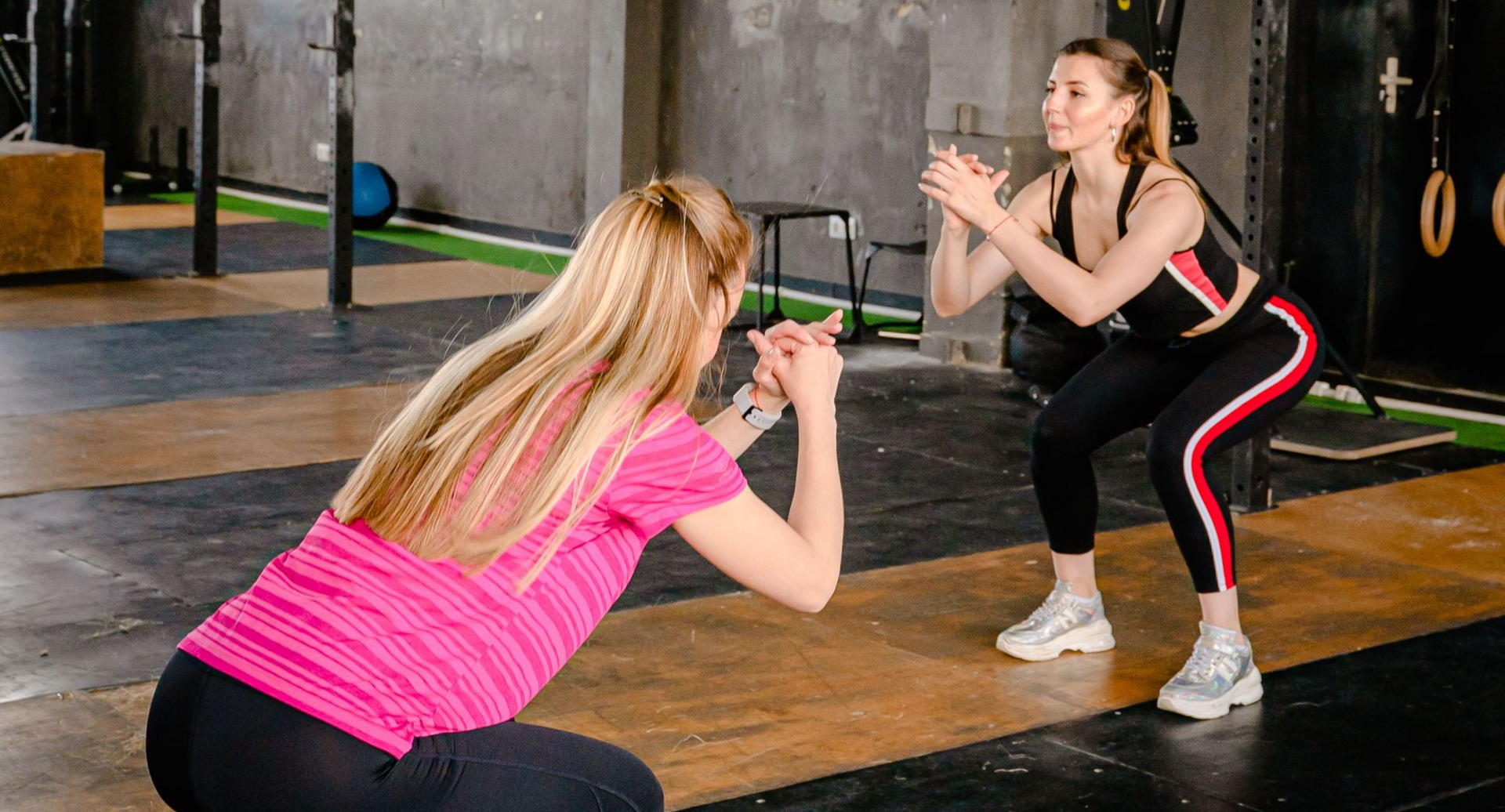
You're in the middle of a workout. Maybe you're running, jumping rope, doing box jumps, or hitting a heavy squat set. Then it happens—a small leak.
For many athletes and active adults, the first reaction is embarrassment. The second is often acceptance. They assume it's normal, especially after having children or getting older.
The truth is that leaking during exercise is common, but it is not normal.
At Athletic Evolution Woburn, we work with athletes and active adults who are surprised to learn that bladder leakage during exercise is often linked to pelvic floor dysfunction—and that it can be treated.
Whether you're a competitive athlete, a recreational runner, a CrossFit enthusiast, or someone who simply enjoys staying active, understanding why leakage occurs is the first step toward solving it.
What Is Exercise-Induced Leakage?
Exercise-induced leakage is often referred to as stress urinary incontinence.
Despite the name, it has nothing to do with emotional stress.
Instead, it occurs when physical stress is placed on the bladder during activities that increase pressure inside the abdomen.
Common triggers include:
- Running
- Jumping
- Jump rope
- Box jumps
- Sprinting
- Heavy lifting
- Burpees
- Trampoline workouts
- High-intensity interval training
During these activities, pressure rapidly increases inside your core. If the pelvic floor muscles cannot respond appropriately, leakage may occur.
For some people, it is only a few drops. For others, it may be enough to avoid certain exercises entirely.
Why Does Leakage Happen During Exercise?
Many people immediately assume that leaking means their pelvic floor is weak.
Sometimes that's true.
But weakness is only one piece of the puzzle.
The pelvic floor is a group of muscles located at the bottom of the pelvis. These muscles work together with your diaphragm, abdominal muscles, and deep spinal stabilizers to manage pressure throughout the body.
Think of the pelvic floor as part of your body's pressure management system.
When you run, jump, lift, cough, or sneeze, your body must coordinate pressure effectively. If that system isn't functioning properly, symptoms can develop.
Leakage may occur because the pelvic floor is:
- Weak
- Tight
- Overactive
- Poorly coordinated
- Fatigued
- Unable to respond quickly enough
This is why two people can have the exact same symptom but require completely different treatment approaches.
Athletes Experience Leakage More Often Than Most People Realize
One of the biggest myths surrounding pelvic floor dysfunction is that it only affects postpartum women.
In reality, athletes of all ages and genders can experience leakage.
Research has shown higher rates of urinary leakage among:
- Runners
- Gymnasts
- Volleyball players
- CrossFit athletes
- Weightlifters
- Basketball players
- Soccer players
Activities involving repetitive impact place significant demands on the pelvic floor.
The stronger and more competitive an athlete becomes, the greater those demands may be.
Many athletes simply adapt to the problem rather than addressing it.
They wear dark clothing, limit fluids before exercise, use pads, or avoid certain movements altogether.
Unfortunately, these strategies do not solve the underlying issue.
Leakage Is Not Just a Women's Issue
While women are more likely to discuss pelvic floor symptoms, men can also experience leakage and pelvic floor dysfunction.
Male athletes may develop symptoms due to:
- High training volumes
- Chronic tension patterns
- Pelvic injuries
- Hernias
- Low back dysfunction
- Previous surgeries
Men often delay seeking help because they assume pelvic floor therapy is only for women.
That couldn't be further from the truth.
The pelvic floor is part of every human body's movement system.
The Connection Between Performance and Pelvic Floor Health
Many athletes view leakage as a bathroom issue.
In reality, it is often a performance issue.
The pelvic floor contributes to:
- Core stability
- Force production
- Breathing efficiency
- Load transfer
- Balance
- Athletic control
When pelvic floor dysfunction is present, athletes may also notice:
- Low back pain
- Hip discomfort
- Core weakness
- Difficulty generating power
- Feeling unstable during lifts
- Increased fatigue
Addressing pelvic floor function can improve both symptom management and athletic performance.
This is one reason elite athletes increasingly include pelvic floor specialists as part of their performance teams.
Why Kegels Aren't Always the Answer
The first recommendation many people hear is, "Just do Kegels."
While Kegels can be helpful in certain situations, they are not a universal solution.
Imagine someone with tight shoulders being told to keep shrugging their shoulders higher all day. It wouldn't solve the problem.
The same principle applies to the pelvic floor.
Some individuals actually have pelvic floor muscles that are too tight and overactive.
In these cases, additional contractions can worsen symptoms.
Before prescribing exercises, it's important to determine:
- Muscle strength
- Muscle coordination
- Timing
- Endurance
- Relaxation ability
The right treatment depends on the individual—not the symptom alone.
What Happens During a Pelvic Floor Evaluation?
One reason people delay treatment is uncertainty about what pelvic floor therapy actually involves.
At Athletic Evolution Woburn, evaluations are designed to understand the whole person—not just the bladder.
Your therapist may assess:
- Breathing mechanics
- Posture
- Core function
- Hip mobility
- Movement patterns
- Exercise habits
- Lifestyle factors
We examine how your body manages pressure during everyday movement and athletic activity.
The goal is to identify the root cause of symptoms and create a treatment plan tailored to your goals.
Whether you're preparing for a marathon, returning to CrossFit, or simply trying to exercise without worry, the plan should reflect your lifestyle.
Common Signs You Should Seek Help
Many people wait years before seeking treatment.
You may benefit from a pelvic floor evaluation if:
- You leak during exercise
- You avoid certain workouts because of leakage
- You constantly use the bathroom before activity
- You feel pressure or heaviness during workouts
- You struggle with urgency while exercising
- Symptoms affect your confidence
The sooner these issues are addressed, the easier they often are to improve.
Real Confidence Comes From Addressing the Cause
One of the most rewarding aspects of pelvic floor therapy is watching people regain confidence.
Athletes often arrive believing they have to live with their symptoms forever.
They've accepted leakage as part of:
- Motherhood
- Aging
- Running
- Sports participation
Then they discover that their body is capable of change.
Many return to activities they had avoided for years.
Some improve performance.
Others simply enjoy exercising without constantly worrying about where the nearest bathroom is.
The outcome is different for everyone, but the common thread is empowerment through understanding and treatment.
FAQs
Is it normal to leak while running?
No. While it is common among runners, leakage is a sign that the pressure management system is not functioning optimally.
Can athletes without children experience leakage?
Absolutely. Many athletes experience pelvic floor dysfunction regardless of pregnancy history.
Do men benefit from pelvic floor therapy?
Yes. Men can experience leakage, pelvic pain, urinary symptoms, and performance-related issues that respond well to pelvic floor therapy.
Will I have to stop exercising?
Usually not. Most treatment plans allow athletes to continue training while addressing the underlying problem.
How long does it take to improve?
Many individuals notice changes within a few weeks, though treatment timelines vary based on symptoms and goals.
Stop Planning Your Workouts Around Leakage
If you're changing workouts, avoiding exercises, or worrying about leakage every time you train, know that help is available.
At Athletic Evolution Woburn, we help athletes and active adults understand the connection between pelvic floor health and performance.
You deserve to run, lift, jump, and train with confidence.
Athletic Evolution Woburn
800 W Cummings Park, Suite 1750
Woburn, MA 01801
(781) 935-7701
Schedule a pelvic floor evaluation and take the first step toward moving with confidence again.