
Sexual Dysfunction Treatment Woburn | Pelvic Floor Therapy
The Conversation Most People Avoid
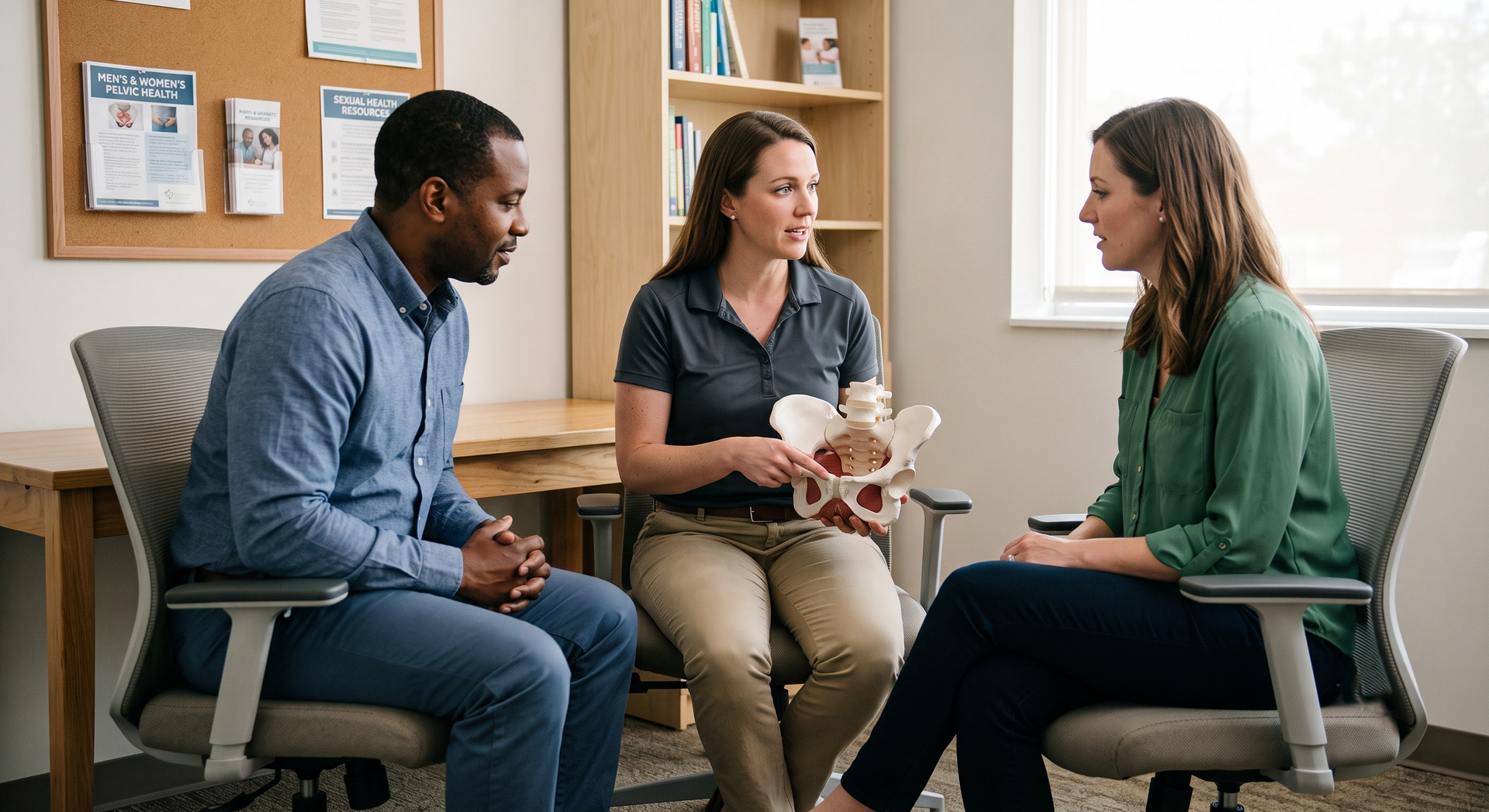
Sexual health is an important part of overall health, yet it remains one of the least discussed topics in healthcare.
Many people struggle with issues such as:
- Pain during intimacy
- Erectile dysfunction
- Difficulty achieving orgasm
- Reduced sensation
- Pelvic pain
- Performance concerns
- Loss of confidence
Unfortunately, many assume these problems are simply a normal part of aging, stress, childbirth, or hormonal changes.
Others feel embarrassed to bring them up at all.
The truth is that sexual dysfunction is extremely common, and many cases have underlying physical factors that can be evaluated and treated.
One of the most overlooked contributors is the pelvic floor.
At Athletic Evolution Woburn, we help individuals better understand the connection between pelvic floor function, nervous system regulation, movement, and sexual health.
What Is Sexual Dysfunction?
Sexual dysfunction is a broad term that describes difficulties occurring during any stage of sexual activity.
For women, this may include:
- Pain during intercourse
- Difficulty achieving orgasm
- Vaginal tightness
- Reduced sensation
- Fear or anxiety related to intimacy
For men, symptoms may include:
- Erectile dysfunction
- Premature ejaculation
- Delayed ejaculation
- Pelvic pain
- Reduced sensation
- Difficulty maintaining an erection
While sexual dysfunction can have emotional, hormonal, and medical causes, physical dysfunction is often overlooked.
This is where pelvic floor therapy can play a significant role.
Understanding the Pelvic Floor's Role in Sexual Function
The pelvic floor is a group of muscles located at the base of the pelvis.
These muscles contribute to:
- Blood flow
- Core stability
- Bladder function
- Bowel control
- Sexual function
Healthy pelvic floor muscles need to be able to both contract and relax effectively.
When these muscles become weak, tight, overactive, or poorly coordinated, sexual symptoms can develop.
Think of the pelvic floor as part of a larger system.
It works alongside:
- The diaphragm
- The nervous system
- The core muscles
- The hips and pelvis
When one part of the system is dysfunctional, symptoms may appear elsewhere.
Sexual Dysfunction in Women
Many women experience symptoms that they assume are normal.
Common concerns include:
Pain During Intercourse
Pain may occur due to:
- Tight pelvic floor muscles
- Scar tissue
- Childbirth-related changes
- Hormonal changes
- Chronic muscle tension
When muscles remain guarded and unable to relax properly, penetration can become painful.
Difficulty Achieving Orgasm
The pelvic floor contributes to circulation, muscle contractions, and sensation.
Poor coordination or dysfunction may interfere with these processes.
Postpartum Changes
Pregnancy and childbirth place tremendous demands on the pelvic floor.
Some women experience:
- Weakness
- Pain
- Scar tissue restrictions
- Reduced confidence
Pelvic floor therapy can help restore function and support recovery.
Sexual Dysfunction in Men
Men often suffer silently because discussions about sexual health remain heavily stigmatized.
One of the most common concerns is erectile dysfunction.
While blood flow and hormonal factors are important, the pelvic floor also plays a significant role.
The pelvic floor helps:
- Support erections
- Maintain blood flow
- Assist with ejaculation
When pelvic floor dysfunction is present, symptoms may occur even when other medical evaluations appear normal.
Men may also experience:
- Testicular pain
- Pelvic pain
- Pain after ejaculation
- Tailbone pain
- Urinary symptoms
These issues often share common muscular and nervous system components.
Stress and the Nervous System Matter More Than You Think
One of the biggest contributors to sexual dysfunction is chronic stress.
When the body spends prolonged periods in a stressed state, the nervous system shifts into survival mode.
This can affect:
- Blood flow
- Hormonal balance
- Muscle tension
- Libido
- Arousal
- Recovery
Many people notice symptoms worsen during periods of:
- High work stress
- Relationship challenges
- Poor sleep
- Anxiety
- Major life transitions
The body simply isn't designed to prioritize sexual function when it perceives ongoing stress.
The Connection Between Breathing and Pelvic Floor Function
This may sound surprising, but breathing mechanics can significantly impact sexual health.
The diaphragm and pelvic floor work together with every breath.
When breathing becomes shallow or restricted:
- Pelvic floor tension often increases
- Core coordination decreases
- Stress levels rise
- Blood flow may be affected
Many treatment plans involve improving breathing patterns as part of the overall recovery process.
Common Lifestyle Factors That Affect Sexual Performance
While there is no single solution, several lifestyle factors can influence sexual health.
Sleep
Sleep is critical for:
- Hormone production
- Recovery
- Energy levels
- Nervous system regulation
Poor sleep can negatively impact libido and performance.
Hydration
Proper hydration supports:
- Circulation
- Tissue health
- Energy levels
Even mild dehydration can affect how the body functions.
Physical Activity
Regular movement improves:
- Blood flow
- Cardiovascular health
- Stress management
- Confidence
Exercise is one of the most effective tools for supporting long-term sexual health.
Stress Management
Reducing stress improves overall nervous system regulation and may positively influence sexual function.
How Pelvic Floor Therapy Can Help
At Athletic Evolution Woburn, pelvic floor therapy focuses on identifying the underlying contributors to symptoms.
Treatment may include:
Movement Assessment
We evaluate:
- Posture
- Breathing
- Mobility
- Core coordination
Pelvic Floor Training
Depending on the individual, treatment may focus on:
- Strengthening
- Relaxation
- Coordination
- Endurance
Manual Therapy
When appropriate, hands-on techniques can help address restrictions and tension.
Education
Understanding how the body works often helps reduce fear and uncertainty surrounding symptoms.
Nervous System Regulation
Strategies may include breathing exercises, stress management techniques, and recovery-focused interventions.
Why Many People Wait Too Long to Seek Help
Because sexual health is such a personal topic, many people delay treatment for years.
Some believe:
- Nothing can be done
- Symptoms are normal
- They're alone in their experience
The reality is that sexual dysfunction affects millions of people.
Seeking help is not a sign of weakness.
It's a proactive step toward improving health, confidence, and quality of life.
FAQs
Does pelvic floor dysfunction always cause sexual dysfunction?
No. Sexual dysfunction can involve hormonal, emotional, medical, neurological, and physical factors. The pelvic floor is simply one important piece of the puzzle.
Can men benefit from pelvic floor therapy?
Absolutely. Men often experience improvements in pelvic pain, urinary symptoms, and sexual function.
Can pelvic floor therapy help after childbirth?
Yes. Many postpartum symptoms respond well to pelvic floor rehabilitation.
Is pain during intimacy normal?
No. While it is common, pain is a signal that something deserves evaluation.
You Don't Have to Accept Sexual Dysfunction as Your New Normal
Many people spend years believing they simply have to live with their symptoms.
The good news is that there are often solutions available.
Whether you're experiencing pain, performance concerns, pelvic discomfort, or changes in function, a thorough evaluation can help uncover contributing factors and guide appropriate treatment.
Athletic Evolution Woburn
800 W Cummings Park, Suite 1750
Woburn, MA 01801
(781) 935-7701
Schedule a confidential pelvic floor evaluation and learn how your body may be contributing to your symptoms.