Male Pelvic Anatomy 101: Understanding the Organs That Support Pelvic Health
Know Your Parts: Male Pelvic Anatomy Explained
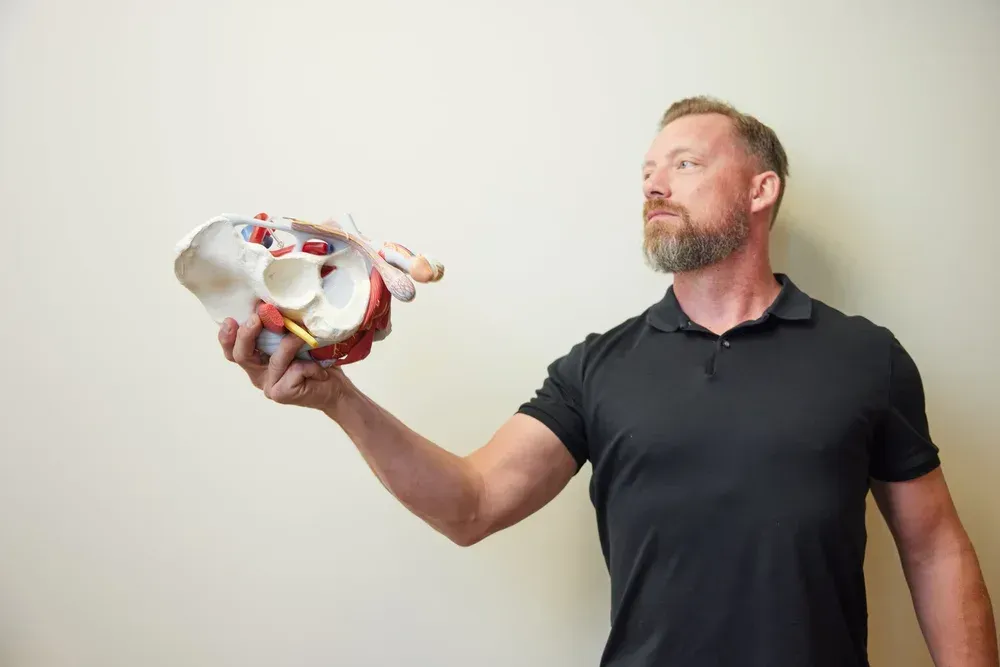
Understanding the human body is an important step toward improving health, preventing injury, and recognizing when something might need medical attention. While many health conversations focus on muscles, joints, and movement, pelvic health is just as essential. At Athletic Evolution Woburn, we believe that education empowers people to take better care of their bodies.
In this installment of “Know Your Parts,” we’re focusing on male pelvic anatomy. Many men grow up with limited education about how their pelvic structures function beyond reproduction. However, these structures play an important role in urinary function, sexual health, and overall pelvic stability.
Learning about these parts can help men better understand symptoms such as pelvic pain, urinary changes, erectile dysfunction, or discomfort during physical activity. By understanding how these systems work together, individuals can make more informed decisions about their health and feel more comfortable discussing concerns with healthcare professionals.
Below is a closer look at the
external and internal organs involved in male pelvic anatomy.
External Organs
External organs are the parts of the body that are located on the outside and can be seen or touched. In the male reproductive system, these organs play important roles in sexual function, sperm production, and protecting reproductive structures.
Penis
The penis is the external male reproductive organ responsible for both urinary and sexual functions. It contains the urethra, the tube that allows urine to leave the body from the bladder.
The penis is composed primarily of three columns of erectile tissue. Two of these are known as the corpora cavernosa, which fill with blood during sexual arousal and create an erection. The third column, called the corpus spongiosum, runs along the underside of the penis and surrounds the urethra. This structure helps keep the urethra open during ejaculation.
At the tip of the penis is the glans, an area rich in nerve endings that contributes to sexual sensation. Because the penis relies heavily on healthy blood flow and nerve signaling, overall cardiovascular health and pelvic muscle function can influence erectile performance.
The pelvic floor muscles also play an important role in sexual function. These muscles support pelvic organs, assist with urinary control, and contribute to erectile strength.
Testicles
The testicles, also called testes, are the male reproductive glands responsible for producing sperm and the hormone testosterone.
Testosterone plays an essential role in many aspects of male health, including:
- Muscle development
- Bone strength
- Energy levels
- Libido
- Sperm production
Each testicle contains small coiled tubes where sperm cells are produced. After sperm forms, it moves into the epididymis, a long coiled tube attached to the back of each testicle where sperm matures and is stored before traveling through the reproductive tract.
Healthy testicular function is essential for reproductive health, hormonal balance, and overall well-being.
Scrotum
The scrotum is the pouch of skin that holds and protects the testicles. It sits just beneath the penis and plays a crucial role in regulating the temperature of the testes.
Sperm production requires a temperature slightly cooler than the rest of the body. The scrotum helps maintain this environment by adjusting the position of the testicles. When the body is cold, muscles in the scrotum pull the testicles closer to the body. When it is warm, the scrotum relaxes and allows them to hang further away.
The scrotum contains muscles and connective tissue that support the reproductive organs and help protect them from injury. Because this area is closely connected to the pelvic region, tension or dysfunction in surrounding pelvic muscles can sometimes contribute to discomfort in the groin or scrotal region.
Internal Organs
Internal organs are structures located inside the body that cannot be seen externally. These organs work together to support reproductive function, transport sperm, and assist with urinary processes.
Urethra
The urethra is the tube that carries urine from the bladder out of the body. In males, it also carries semen during ejaculation, making it part of both the urinary and reproductive systems.
The urethra travels from the bladder through the prostate gland and along the length of the penis before exiting at the tip.
Two sphincter muscles help regulate urine flow:
- Internal urethral sphincter – controls involuntary urine flow
- External urethral sphincter – allows voluntary control of urination
Healthy coordination between the bladder, urethra, and pelvic floor muscles is necessary for proper urinary function.
Prostate
The prostate is a small gland located just below the bladder and surrounding the upper portion of the urethra. It plays an important role in the male reproductive system.
The prostate produces a fluid that becomes part of semen and helps nourish and protect sperm.
As men age, the prostate may increase in size. A common condition called benign prostatic hyperplasia (BPH) occurs when the prostate enlarges and presses against the urethra. This may cause symptoms such as:
- Frequent urination
- Difficulty starting urination
- Weak urine stream
- Feeling that the bladder is not fully empty
Regular medical checkups help monitor prostate health and detect concerns early.
Vas Deferens and Ejaculatory Ducts
The vas deferens and the ejaculatory ducts are internal tubes responsible for transporting sperm through the reproductive system.
The vas deferens carries sperm from the epididymis toward the prostate region. During ejaculation, sperm mix with fluids produced by the seminal vesicles and prostate gland.
This mixture forms semen and travels through the ejaculatory ducts, which connect to the urethra. From there, semen exits the body through the penis during ejaculation.
These structures play a critical role in reproductive health and fertility.
Why Pelvic Health Matters for Men
Pelvic health is often discussed in relation to women, but men also rely on the muscles, nerves, and connective tissues of the pelvis for normal bodily functions.
The pelvic floor supports the bladder, bowel, and reproductive organs while helping control urination, bowel movements, and sexual function.
Men experiencing pelvic dysfunction may notice symptoms such as:
- Pelvic or groin pain
- Urinary urgency or leakage
- Erectile dysfunction
- Pain while sitting
- Discomfort during or after ejaculation
In some cases, pelvic floor physical therapy can help improve muscle coordination, reduce tension, and restore healthy movement patterns.
Learn More at Athletic Evolution Woburn
Understanding your anatomy is one of the first steps toward improving your health and recognizing when something may need attention.
If you are experiencing pelvic discomfort, urinary symptoms, or changes in function, professional care can help address the underlying cause.
Learn more at Athletic Evolution Woburn:
Pelvic Floor Therapy
https://www.athletic-evolution.com/pelvic-floor-therapy
Physical Therapy Services
https://www.athletic-evolution.com/physical-therapy
At
Athletic Evolution Woburn, our team provides personalized physical therapy programs designed to help patients improve movement, reduce pain, and return to the activities they enjoy.