
Learning About Your Parts – A Guide to Female Anatomy and Pelvic Health
Understanding Your Body Is Empowering
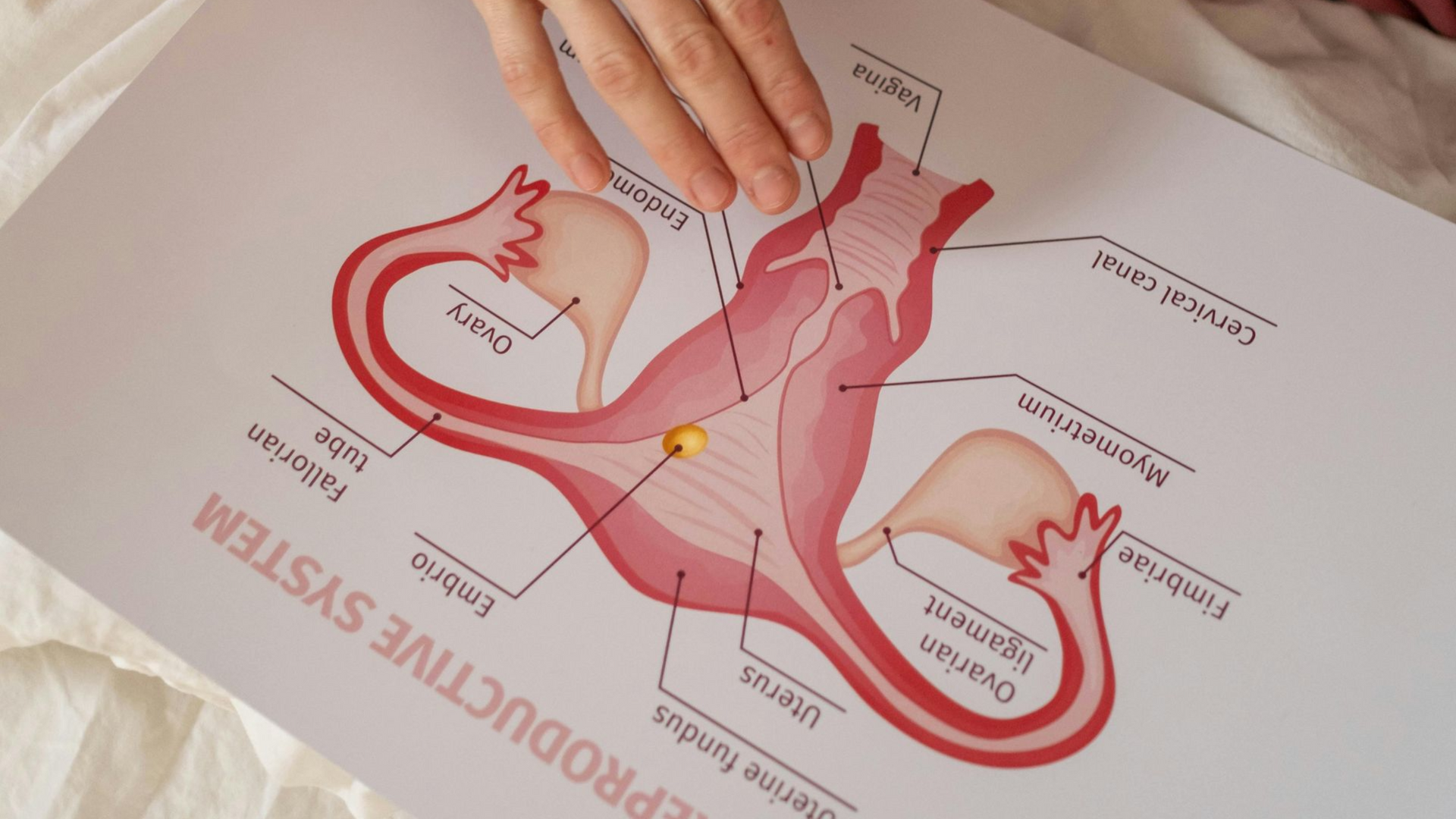
Welcome to Learning About Your Parts (Ladies First).
For many women, conversations about anatomy were rushed, glossed over, or never fully explained. Yet understanding your body is one of the most empowering steps you can take toward better health, confidence, and pelvic wellness.
At Athletic Evolution in Woburn, we believe education is the foundation of prevention and healing. Whether you’re navigating puberty, pregnancy, postpartum recovery, menopause, or simply want to better understand your body, this guide breaks down key components of female anatomy in a clear, respectful, and practical way.
Let’s start from the inside and work our way outward.
1. The Uterus: The Center of Reproductive Health
The uterus is a hollow, pear-shaped muscular organ located between the bladder (in front) and the rectum (behind). Its primary role is reproductive — it is where a fertilized egg implants, and where a fetus develops and grows during pregnancy.
If fertilization does not occur, the uterus sheds its lining each month in the process known as menstruation. This monthly cycle is regulated by hormonal signals involving the brain and ovaries.
One of the most remarkable features of the uterus is its adaptability. During pregnancy, it can expand from roughly the size of a small lemon to the size of a watermelon. After childbirth, it gradually returns to its pre-pregnancy size, typically within about six weeks.
Beyond reproduction, the uterus also plays a role in pelvic balance and support. Its position and mobility can influence surrounding structures, including the bladder, bowel, and pelvic floor muscles.
2. The Vulva: The External Protective Structures
The term “vulva” refers to all of the external genital structures. Many people mistakenly use the word “vagina” to describe the entire area, but the vagina is actually internal. The vulva includes:
- Mons pubis (the fatty tissue over the pubic bone)
- Labia majora (outer lips)
- Labia minora (inner lips)
- Clitoris
The vulva serves as a protective barrier for internal reproductive and urinary structures. It shields the vaginal opening and urethra while also containing specialized tissue involved in sensation and sexual function.
It is important to understand that vulvar anatomy varies widely from person to person. Differences in size, color, and shape are completely normal. Education around normal anatomical variation can reduce unnecessary anxiety and help women feel more comfortable in their own bodies.
3. The Urethra: Understanding the Urinary Pathway
A common misconception is that urine exits through the vagina. In reality, urine leaves the body through the urethra.
The urethra is a small tube that connects the bladder to the outside of the body. It is located between the labia minora, below the clitoris, and above the vaginal opening.
Its primary function is to allow urine to pass from the bladder during urination. Because the female urethra is relatively short compared to the male urethra, women are more susceptible to urinary tract infections (UTIs).
Proper pelvic floor function plays an essential role in urinary control. When pelvic muscles are strong and well-coordinated, they help prevent leakage, urgency, and frequency issues.
4. The Vagina: A Flexible and Dynamic Canal
The vagina is an elastic, muscular canal that connects the uterus to the outside world. It serves several important roles:
- Passageway for menstrual flow
- Birth canal during delivery
- Structure involved in sexual intercourse
The vaginal walls are lined with soft, flexible tissue that provides lubrication and sensation. The vagina is designed to expand and contract as needed, adapting during childbirth and returning to its typical resting state afterward.
Vaginal health is influenced by hormonal balance, pelvic floor muscle function, and the natural microbiome. Changes in estrogen levels — such as during postpartum or menopause — can affect vaginal tissue elasticity and comfort.
Understanding these changes helps women seek appropriate care rather than assuming discomfort is something they must tolerate.
5. The Two “C’s”: Cervix and Clitoris
The Cervix
The cervix is the lower portion of the uterus that connects the uterus to the vagina. It plays a crucial role in reproductive health. During menstruation, menstrual blood passes through the cervix. During pregnancy, the cervix remains closed to support fetal development and later dilates during labor to allow childbirth.
The cervix also produces cervical mucus, which changes throughout the menstrual cycle and plays a role in fertility.
The Clitoris
The clitoris is part of the vulva and is primarily responsible for sexual pleasure. Externally, only a small portion is visible. This external portion is covered by a fold of skin called the clitoral hood, which protects it from overstimulation.
However, the clitoris is much larger internally than most people realize. It extends like a wishbone inside the pelvis, forming structures known as the shaft and crura. In total, it measures approximately five inches in length.
Interestingly, the clitoris and penis are developmentally similar structures — often described as anatomical mirror images. Both contain erectile tissue and respond to increased blood flow during arousal.
This understanding helps normalize conversations about sexual health and reinforces that pleasure and function are important components of overall well-being.
Why Anatomy Education Matters for Pelvic Health
Understanding your anatomy is not just about biology — it directly impacts your health.
Knowledge helps you:
- Recognize symptoms earlier
- Communicate clearly with healthcare providers
- Understand pelvic floor function
- Reduce fear or stigma surrounding normal changes
- Advocate for appropriate care
At Athletic Evolution Woburn, we regularly see patients who were never taught how their bodies function. Education is often the first step in reducing anxiety and restoring confidence.
When to Seek Pelvic Health Support
If you experience any of the following, a pelvic floor evaluation may help:
- Urinary leaking or urgency
- Pain with intercourse
- Pelvic pressure or heaviness
- Postpartum discomfort
- Menstrual pain affects daily life
- Low back or tailbone pain
Pelvic health is whole-body health. These systems are interconnected and deserve attention
Learn More at Athletic Evolution Woburn
If you’re ready to understand your body better or address symptoms you’ve been managing quietly, our pelvic health specialists are here to help.
Athletic Evolution Woburn
800 W Cummings Park, Suite 1750
Woburn, MA 01801
(781) 935-7701
https://www.athletic-evolution.com/
We proudly serve Woburn, Wilmington, Burlington, and Greater Boston with evidence-based pelvic floor therapy and women’s health services.