
Sports Injury Recovery Timeline – What to Expect for 6 Common Injuries
How Long Will This Take?

If you're recovering from a sports injury, one of the first questions you’ll ask is:
“How long until I can play again?”
The truth is, recovery timelines vary depending on the type of injury, severity, your age, and how well you follow a rehab plan. At Athletic Evolution Woburn, we guide athletes of all ages through smart, personalized recovery—so you’re not just back, but better.
In this guide, we break down 6 of the most common sports injuries and their general recovery timelines, along with what to expect at each stage.
Injury #1: ACL Tear (Surgical Repair)
Average Recovery Time: 9–12 months
Phases:
- 0–6 Weeks Post-Op: Regain range of motion, reduce swelling, quad activation
- 2–4 Months: Progressive strength training, gait normalization, balance
- 5–8 Months: Agility, plyometrics, sport-specific drills
- 9–12+ Months: Return-to-sport testing, mental readiness, full participation
Key Tip: Most athletes need prehab before surgery and a structured Return to Sport program to avoid re-tearing.
📍 Related Service: [ACL Rehab Woburn – https://www.athletic-evolution.com/]
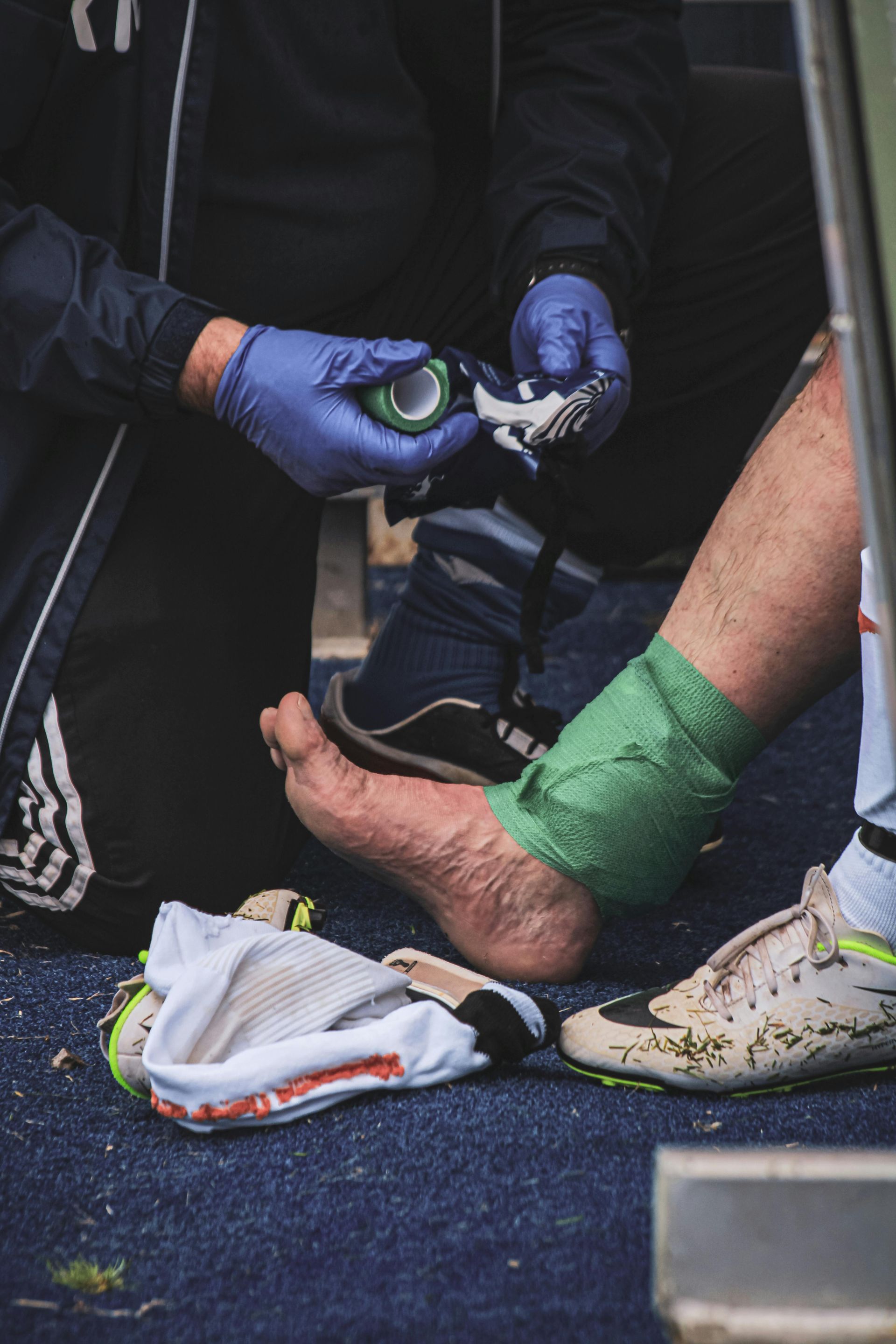
Injury #2: Ankle Sprain
Average Recovery Time:
- Mild (Grade I): 1–3 weeks
- Moderate (Grade II): 3–6 weeks
- Severe (Grade III): 6–12 weeks
What to Expect:
- Early phase focuses on swelling reduction, pain control, and mobility
- Mid-phase builds strength and proprioception (balance)
- Final phase includes single-leg control, jumping/landing drills, and return-to-sport testing
Key Tip: Many athletes rush back after ankle sprains. Without rehab, re-injury risk is high.
Injury #3: Hamstring Strain
Average Recovery Time:
- Grade I: 1–2 weeks
- Grade II: 3–6 weeks
- Grade III: 8+ weeks
Rehab Focus Areas:
- Controlled stretching and mobility
- Progressive strengthening (especially eccentric loading)
- Running mechanics and sprint progression
Key Tip: Returning too early increases the chance of chronic hamstring issues. Let your PT guide reintroduction to sprinting and agility.
Injury #4: Rotator Cuff or Labral Tear (Non-Surgical)
Average Recovery Time: 8–12 weeks
(Varies by severity and whether surgery is avoided)
What to Expect:
- Soft tissue work and pain modulation
- Postural correction and scapular control
- Rotator cuff and shoulder stability training
- Gradual return to overhead lifting or throwing
Key Tip: Many shoulder injuries are tied to core and thoracic spine mobility, not just the shoulder itself.
Injury #5: Shin Splints (Medial Tibial Stress Syndrome)
Average Recovery Time: 2–6 weeks
(Varies based on activity volume and early intervention)
What to Expect:
- Activity modification (not always full rest)
- Calf strength and mobility work
- Foot posture and running mechanics correction
- Return-to-run progression
Key Tip: Shin splints are often preventable. Use pre-season screens to catch them early.
Injury #6: Meniscus Tear (Non-Surgical & Surgical Cases)
Non-Surgical Recovery: 4–8 weeks
Surgical Recovery: 3–6 months (depending on repair vs removal)
Rehab Stages:
- Regain motion and reduce swelling
- Controlled weight-bearing and stability
- Strength and balance training
- Impact training and return to sport
Key Tip: Even with surgery, prehab is crucial to protect the joint and improve long-term outcomes.
Recovery Isn’t One-Size-Fits-All
Every athlete is different. Recovery depends on:
- Injury severity and location
- Age and training history
- Quality of physical therapy and adherence
- Return-to-sport testing—not just timelines
At Athletic Evolution Woburn, we use strength testing, hop tests, video movement analysis, and sport-specific drills to determine when you’re truly ready—not just when the calendar says so.
Why Structured PT Matters for Recovery
Unstructured or generic rehab increases your risk of:
- Re-injury
- Chronic pain
- Lost strength
- Delayed return to sport
- Poor confidence
Our programs include:
- One-on-one physical therapy
- Strength & performance coaching
- Objective metrics to track readiness
- Communication with your doctor, coach, or surgeon
Whether you're dealing with an ankle sprain or an ACL tear, we build a custom recovery timeline and plan that fits you—not just the average.
FAQs
How do I know when I’m ready to return to sport?
We use performance-based testing (like hop tests, strength ratios, and movement screens) to clear athletes—never just time alone.
Should I be pain-free before returning to activity?
Mostly, yes. Mild soreness is normal in later rehab, but pain with movement is a red flag.
Can I do PT before surgery?
Absolutely. It’s called prehab, and it helps speed up post-op recovery and reduce complications.
What if my injury feels better, but I’m still weak?
That’s common. Pain often resolves before full function returns. You still need strength and neuromuscular training before returning to sport safely.
Call to Action: Recover Smarter with Woburn’s Top Sports PT Team
Don’t guess your way through recovery. Whether you're dealing with a sprain, strain, or surgical rehab, Athletic Evolution Woburn offers expert care, personalized plans, and full support from injury to full return.
Athletic Evolution Woburn
800 West Cummings Park, Suite 1550
Woburn, MA 01801
(781) 935‑7701
Book Your Recovery Evaluation