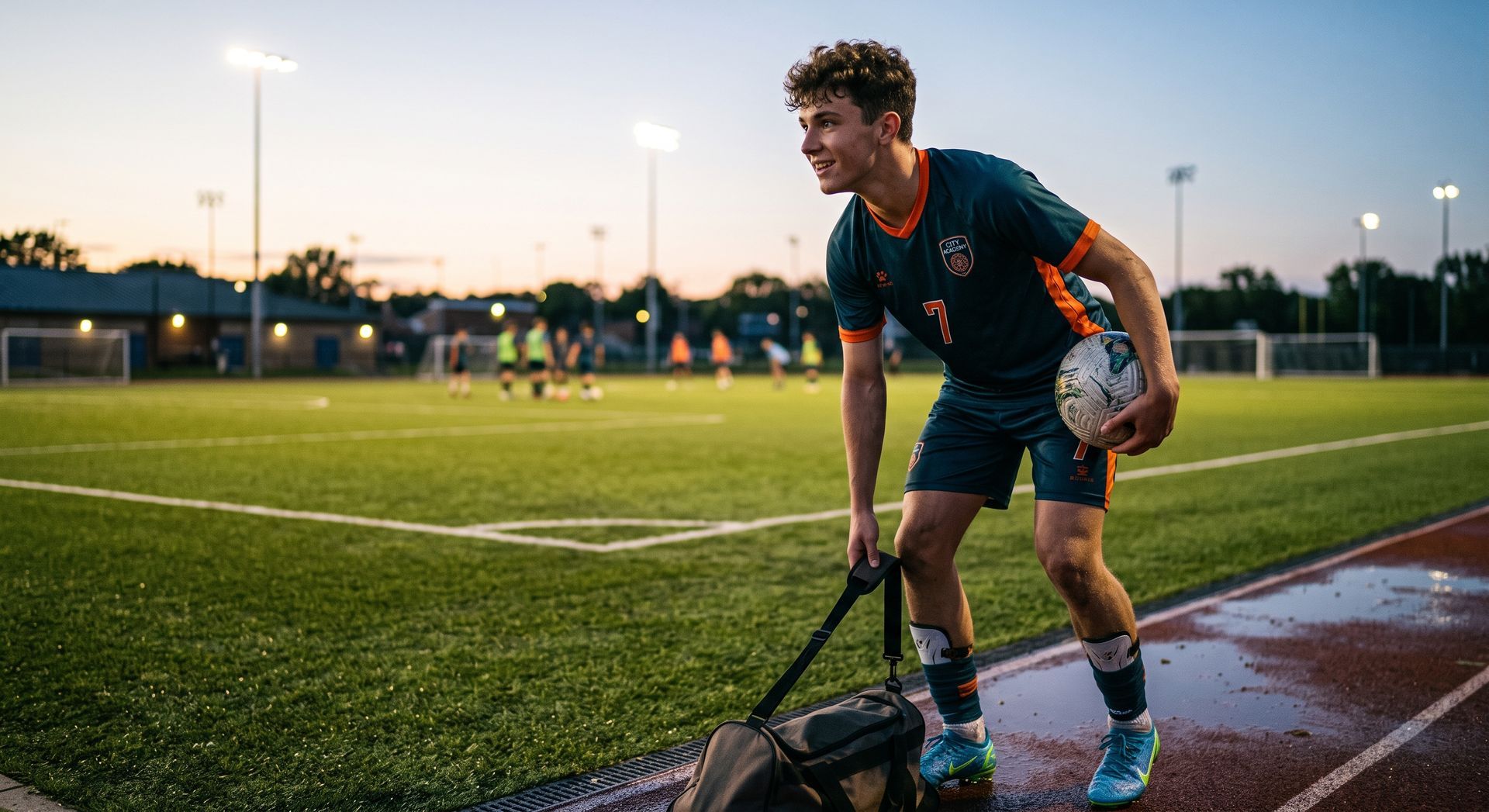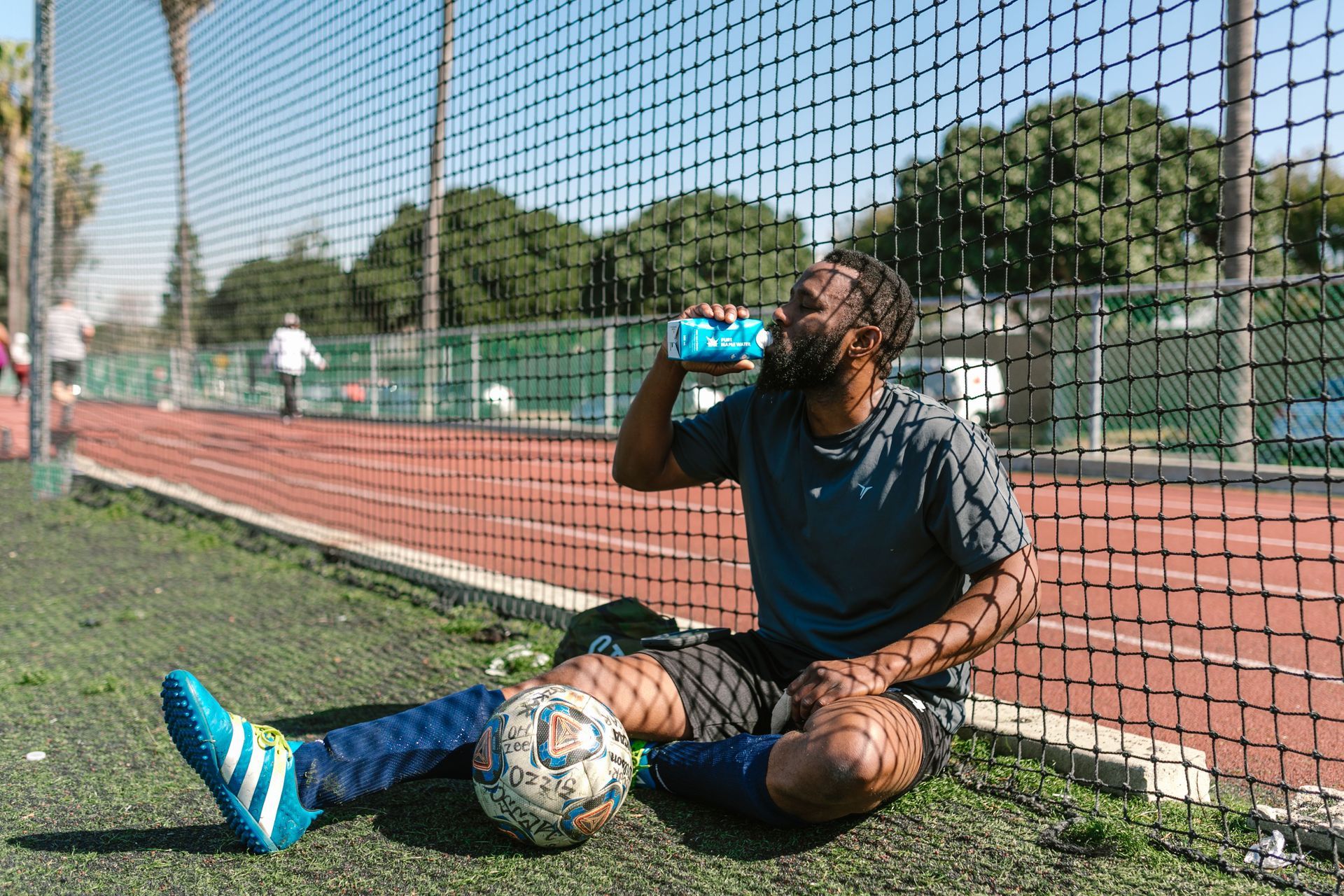


Spring Back into Motion – How to Safely Return to Outdoor Activity in Woburn
Feeling Motivated? Your Body Might Not Be Ready Yet

Spring in Woburn brings longer days, better weather, and a surge of motivation to get outside. Whether it’s running, hiking, cycling, or jumping back into recreational sports, people naturally become more active this time of year.
But here’s what most people don’t realize:
Your body doesn’t reset as quickly as your mindset does.
At Athletic Evolution Woburn, we see a consistent spike in injuries every spring—not because people are doing the wrong activities, but because they’re jumping back in too aggressively after a slower winter.
This guide will help you:
- Transition safely into outdoor activity
- Avoid common spring injuries
- Improve performance without setbacks
- Understand what your body actually needs right now
Why Spring Is a High-Risk Time for Injuries
Even if you stayed somewhat active over the winter, your body likely experienced:
- Reduced intensity or consistency
- Less exposure to dynamic movement
- Increased stiffness (especially hips, calves, and lower back)
- Decreased tendon and joint tolerance to load
When you suddenly increase activity outdoors, your body has to absorb more force, adapt to uneven surfaces, and handle movements it hasn’t practiced in months.
Common Spring Injuries We See:
- Achilles tendonitis
- Plantar fasciitis
- Runner’s knee
- Hip tightness and strain
- Low back discomfort
The key isn’t to avoid activity—it’s to
build back into it intelligently.
1. Start Slower Than You Think You Should
This is the most common mistake.
You feel good. The weather is great. You want to:
- Run farther
- Train harder
- Do more in less time
But your muscles and tendons haven’t caught up yet.
Better Approach:
- Start at 50–70% of your previous level
- Increase gradually over 2–3 weeks
- Space out high-intensity days
Consistency beats intensity every time.
2. Warm Up for Movement, Not Just Sweat
A quick jog or a few stretches isn’t enough.
Your body needs to be prepared for:
- Impact
- Rotation
- Acceleration and deceleration
A Proper Warm-Up Should Include:
- Dynamic mobility (hips, ankles, upper back)
- Muscle activation (glutes, core)
- Movement prep (lunges, skips, light drills)
This primes your nervous system and significantly reduces injury risk.
3. Outdoor Surfaces Change Everything
Switching from indoor to outdoor activity introduces new stress:
- Pavement = higher impact
- Trails = uneven terrain
- Grass = inconsistent stability
Your body has to work harder to stabilize and absorb force.
What to Do:
- Gradually transition surfaces
- Rotate shoes if needed
- Pay attention to soreness patterns
If something feels off after sessions, don’t ignore it.
4. Don’t Ignore Early Warning Signs
Most injuries don’t happen suddenly—they build over time.
Watch for:
- Persistent tightness
- Pain that lingers after activity
- Favoring one side
- Decreased performance
These are signals—not inconveniences.
Addressing them early can prevent weeks or months of downtime.
5. Mobility Is Your Foundation
After winter, the most restricted areas are typically:
- Ankles
- Hips
- Thoracic spine (upper back)
When mobility is limited, your body compensates—and that’s where injuries start.
Focus On:
- Ankle flexibility (important for running and walking)
- Hip mobility (power + stability)
- Upper back movement (posture + breathing)
A movement screen can identify these issues before they become problems.
6. Strength Training Is Non-Negotiable
Returning to activity without strength training is one of the biggest mistakes people make.
Strength helps:
- Absorb impact
- Stabilize joints
- Improve efficiency
- Reduce fatigue
Key Areas to Strengthen:
- Glutes
- Hamstrings
- Core
- Single-leg stability
Even 2–3 sessions per week can make a huge difference.
7. Hydration and Recovery Matter More Than You Think
As temperatures rise, hydration becomes critical.
Dehydration can:
- Reduce performance
- Increase fatigue
- Slow recovery
Don’t overlook:
- Sleep (7–9 hours)
- Nutrition (protein + carbs)
- Rest days
Recovery is where your body adapts and improves.
Real Example: A Smarter Spring Comeback
A 40-year-old recreational runner from Wilmington came to us every spring with the same issue—calf tightness that turned into pain within weeks of restarting running.
We identified:
- Limited ankle mobility
- Weak posterior chain (glutes/hamstrings)
- Poor progression in mileage
After adjusting her plan and adding targeted strength and mobility work, she returned to running pain-free—and improved her endurance within 6 weeks.
FAQs
How fast should I return to my previous activity level?
Most people should take 2–4 weeks to build back safely.
Is soreness normal?
Mild soreness is normal. Sharp or persistent pain is not.
Should I stretch more?
Focus on mobility and movement—not just static stretching.
When should I see a physical therapist?
If pain lingers, worsens, or affects your movement.
Get Back to Activity the Right Way
Spring is the perfect time to get moving—but doing it the right way determines whether you stay consistent or end up sidelined.
At Athletic Evolution Woburn, we help:
- Active adults
- Runners
- Athletes
- Weekend warriors
transition safely into activity while improving performance and reducing injury risk.
Schedule Your Spring Movement Assessment
Athletic Evolution Woburn
800 West Cummings Park, Suite 1750
Woburn, MA 01801
(781) 935-7701
https://www.athletic-evolution.com/
Serving Woburn, Wilmington, Burlington, and Greater Boston.