

Do You Need a Movement Screen? 5 Signs You Should Get One This Season

April 16, 2026

Don’t Train Blind—Get Screened First

You wouldn't drive a car with poor alignment or low tire pressure. So why train, lift, or compete without knowing how well your body moves?

A movement screen is the foundation of smart training, injury prevention, and long-term performance. At Athletic Evolution Woburn, we use movement screens to help athletes and active adults move better, train safer, and recover faster.

In this blog, we’ll cover:

  • What a movement screen is

  • The top 5 signs you need one

  • What happens during a screen

  • How it can improve rehab, performance, or return-to-sport outcomes

What Is a Movement Screen?

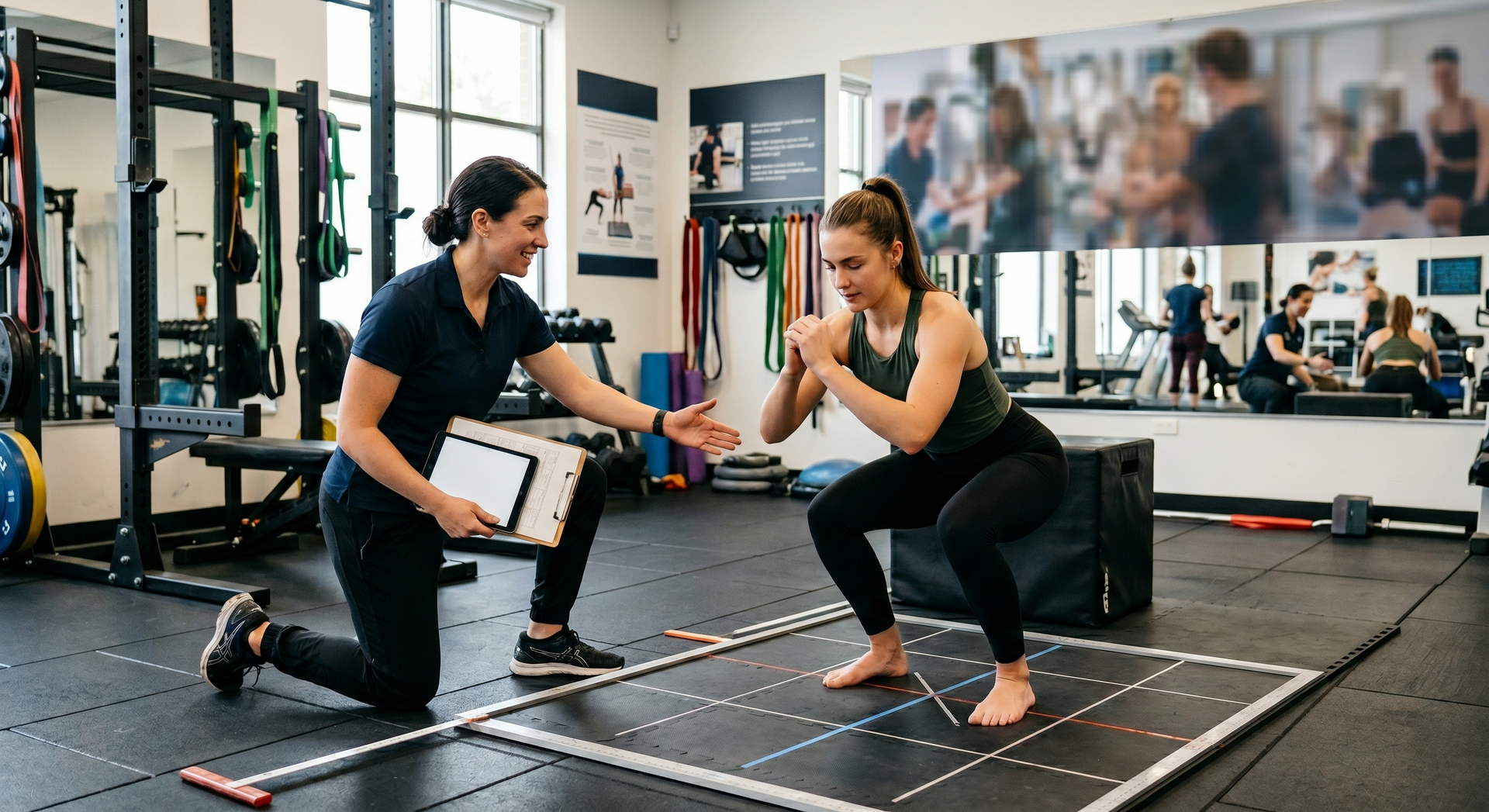
A movement screen is a structured assessment of how your body performs basic movement patterns. It identifies:

  • Mobility restrictions

  • Muscle imbalances

  • Stability issues

  • Coordination deficits

  • Compensatory movement patterns

At Athletic Evolution, we use tools like:

  • FMS (Functional Movement Screen)

  • Overhead squat tests

  • TPI Golf Screens

  • Sport-specific movement analysis

  • Video breakdowns

These screens are NOT workouts—they’re diagnostic tools to evaluate quality of movement before injury, poor form, or pain take over.

5 Signs You Need a Movement Screen

1. You’re Dealing with Recurring Pain or Tightness

Do you constantly foam roll your hamstrings, stretch your hip flexors, or ice your shoulder?

Chronic tightness often signals a deeper issue—like mobility imbalance, poor control, or compensation elsewhere in the body. A movement screen helps identify the root cause, not just the symptom.

Common examples:

  • Tight hamstrings from poor glute activation

  • Shoulder pain from thoracic immobility

  • Back pain caused by hip restrictions

2. You’re Returning from an Injury

Whether it’s an ACL tear, sprained ankle, or rotator cuff injury, returning to sport too soon—or with poor mechanics—is a major risk factor for re-injury.

A movement screen helps:

  • Confirm you're truly ready

  • Identify lingering asymmetries

  • Build confidence before competition

  • Bridge the gap between rehab and full return

Bonus: We combine screens with Return to Sport testing to ensure complete readiness.

3. You’re Starting a New Sport or Training Program

Jumping into high-intensity workouts, sports seasons, or strength training without a movement screen is like building on a shaky foundation.

Movement screens ensure you’re training safely by identifying:

  • Joint limitations

  • Poor squat or hinge mechanics

  • Weak links in your kinetic chain

  • Areas that need mobility or stability work

A small investment in screening leads to bigger results—and fewer setbacks.

4. You’ve Hit a Performance Plateau

Sometimes the problem isn’t effort—it’s movement quality.

  • Can’t hit full squat depth?

  • Losing power in your sprint or jump?

  • Feeling “off” during certain lifts or movements?

A movement screen helps isolate mechanical faults so you can train smarter, not just harder.

Our athletes often see performance gains without changing their program—just by fixing movement inefficiencies.

5. You Want to Prevent Injury Before It Happens

If you’ve been lucky so far, that’s great—but don’t wait for pain to be your wake-up call.

Movement screens are ideal during:

  • Preseason training

  • Off-season programming

  • Return to fitness after time off

  • Youth athletic development

Prevention is cheaper, faster, and far more effective than dealing with an injury mid-season.

What Happens During a Movement Screen?

At Athletic Evolution Woburn, a 1-on-1 movement screen includes:

  • Full-body movement assessment

  • Sport or lifestyle-specific testing

  • Strength and stability screening

  • Joint mobility checks

  • Core control and balance analysis

  • Video feedback when appropriate

After the screen, we give you a custom report with:

  • Key findings

  • Immediate takeaways

  • Corrective exercises

  • Recommendations for rehab or performance work

You’ll leave with clear answers and a plan—not just general advice.

Who Should Get a Movement Screen?

Movement screening is ideal for:

  • Athletes of all levels and sports

  • Post-injury patients returning to training

  • Active adults starting or restarting a workout routine

  • Youth athletes in performance programs

  • Golfers, runners, and weekend warriors

  • Lifters working on technique, PRs, or safe progression

If you move, train, or play—you can benefit from being screened.

Real Case: From Pain to Performance

A 38-year-old runner from Reading came to us with chronic knee tightness. She had tried massage, stretching, and orthotics—with no long-term success.

During her movement screen, we found:

  • Limited ankle dorsiflexion

  • Over-reliance on quads during squatting and lunging

  • Poor hip control on single-leg stance

We created a targeted mobility and glute activation program. Within four weeks, her pain resolved—and her pace improved. No injections, no surgery—just better movement.

FAQs

Is a movement screen the same as physical therapy?

Not exactly. A screen is a proactive assessment. If injuries are found, we may recommend formal PT. But it’s also a great tool for healthy athletes.

How long does it take?

Most screens take 30–45 minutes. We also offer extended sessions for sport-specific needs.

How often should I get screened?

At least once a year, or before each season or major training cycle.

Is this just for high-level athletes?

No. We screen middle school athletes, busy adults, and everyone in between.

Call to Action: Schedule Your Movement Screen in Woburn

Movement is your most important asset. Don’t wait for pain or injury to start improving how you move. A movement screen at Athletic Evolution Woburn gives you clear insights, practical next steps, and long-term performance benefits.

Athletic Evolution Woburn
800 West Cummings Park, Suite 1550
Woburn, MA 01801
(781) 935‑7701

Book Your Movement Screen Now

A doctor in a white coat explains a human prostate model to a student in an office setting.
April 1, 2026
Learn about male pelvic anatomy, including external and internal organs like the penis, testicles, scrotum, prostate, and urethra—read our blog to explore more.
A sprinter in a white long-sleeve shirt and black athletic shorts crouches in a starting position on a running track.
March 17, 2026
Struggling with tightness or performance plateaus? Learn how poor mobility holds athletes back—and how to fix it. Read our blog for expert help in Woburn, MA.
Person studying a diagram of the female reproductive system.
March 2, 2026
Learn about female anatomy, including the uterus, vulva, urethra, vagina, cervix, and clitoris in this educational health guide from Athletic Evolution Woburn MA.
Show More