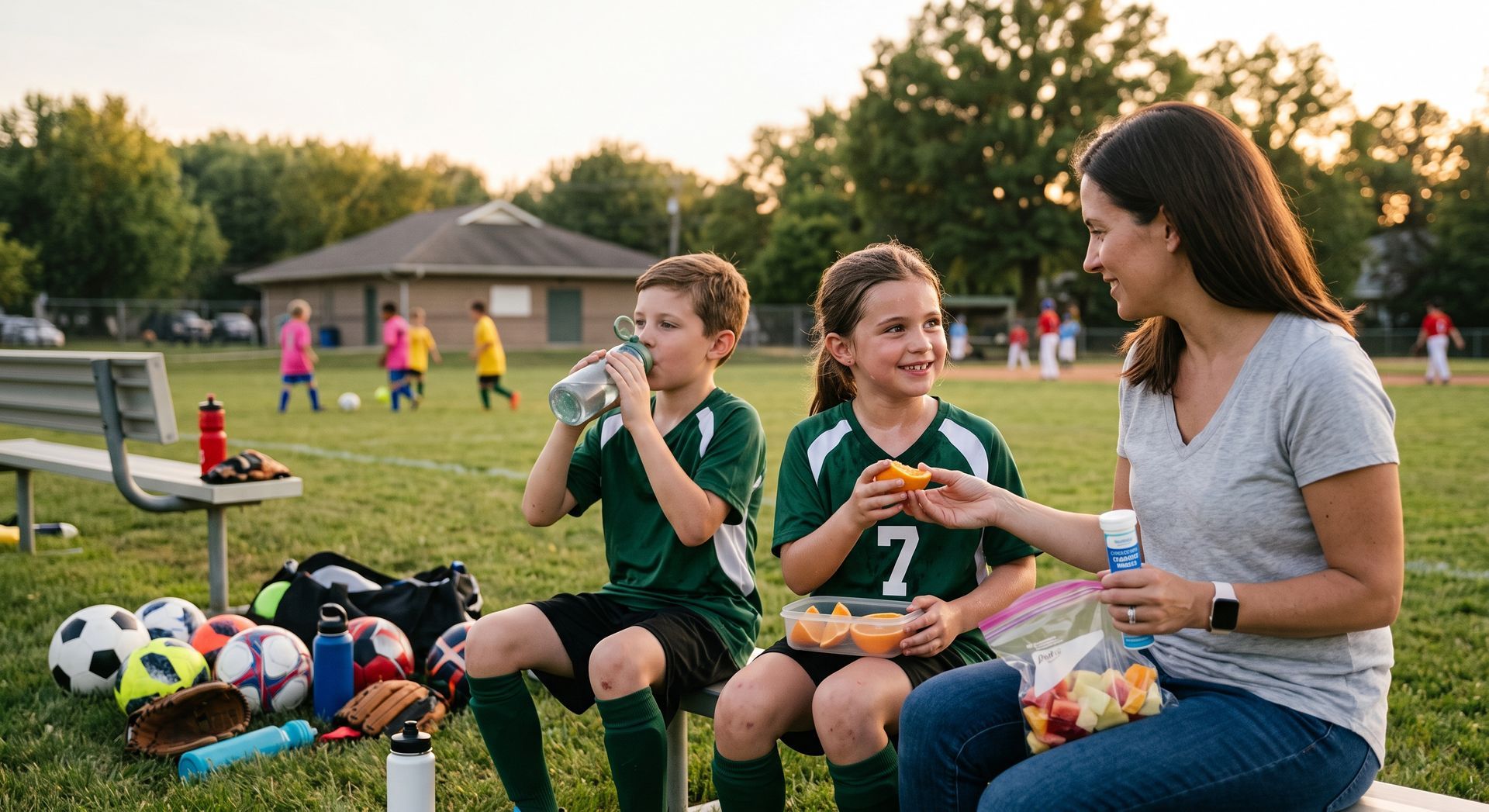
The Importance of Hydration: How Water Supports Your Muscles, Bladder, and Recovery
Hydration Is More Than Just Drinking Water
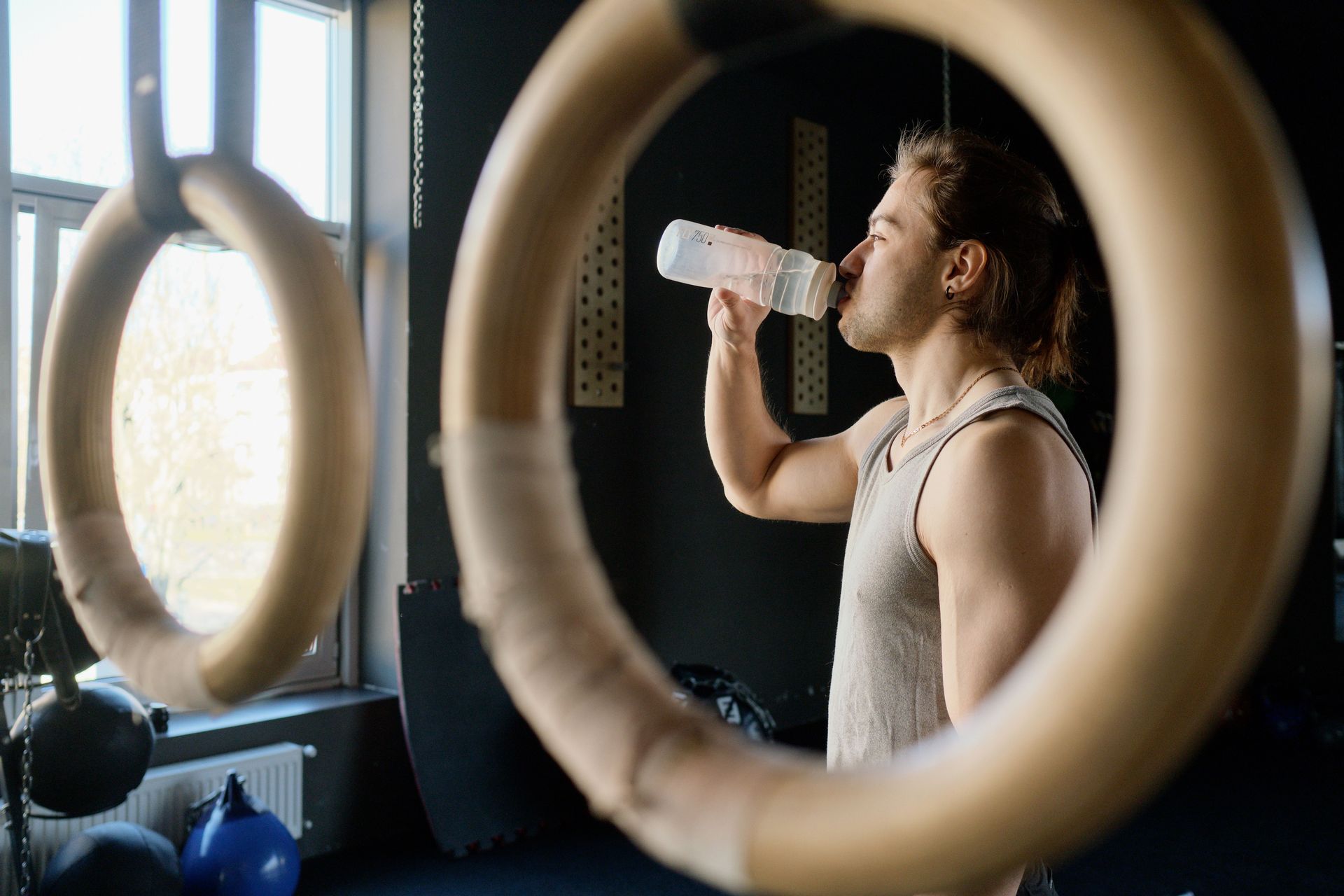
When the temperatures rise in August, most people know they should drink more water. But hydration isn't just about staying cool or preventing thirst—it's one of the most important factors in keeping your body functioning at its best.
Whether you're training for a race, returning from an injury, working long hours, or simply trying to stay active, your body relies on proper hydration every single day. Water helps your muscles contract efficiently, lubricates your joints, transports nutrients, regulates body temperature, and supports recovery after exercise. It also plays an important role in bladder health and pelvic floor function.
At Athletic Evolution Woburn, we often remind patients that recovery isn't built around one big change. Instead, it's the accumulation of healthy daily habits. Hydration is one of the simplest habits to improve, yet it has a profound impact on how you move, feel, and perform.
If you've been feeling sluggish, cramping during workouts, recovering more slowly than usual, or noticing increased bladder irritation, your hydration habits may be worth a closer look.
Why Your Body Depends on Water
The human body is made up of approximately 60% water, and nearly every organ system depends on adequate hydration to function properly.
Water helps:
- Deliver oxygen and nutrients to tissues
- Regulate body temperature
- Cushion joints
- Maintain healthy blood circulation
- Support digestion
- Remove waste products
- Keep muscles functioning efficiently
Even mild dehydration can begin to affect physical and mental performance long before you feel extremely thirsty.
Because our bodies constantly lose water through breathing, sweating, and normal daily activities, hydration is an ongoing process—not something that only matters during exercise.
Hydration and Muscle Performance
Every muscle in your body depends on water.
Hydration allows muscles to contract and relax efficiently while helping transport electrolytes that are essential for normal muscle function.
When you're dehydrated, muscles often have to work harder, which may contribute to:
- Muscle cramps
- Early fatigue
- Reduced strength
- Decreased endurance
- Slower reaction times
For athletes, this can mean slower race times, decreased power output, and a greater perception of effort during training.
For everyday individuals, it may simply mean feeling tired sooner during activities like walking, yard work, or playing with your children.
Hydration Supports Injury Recovery
Recovery isn't just about rest.
Your body is constantly repairing muscles, tendons, ligaments, and connective tissues after physical activity or injury. Water plays a critical role in this process by helping transport nutrients to healing tissues while assisting with circulation and cellular function.
Whether you're recovering from:
- A sprained ankle
- ACL reconstruction
- Rotator cuff injury
- Back pain
- Pelvic floor dysfunction
adequate hydration supports your body's natural healing process.
While drinking more water won't magically heal an injury, it creates an environment where your body can recover more efficiently alongside physical therapy and exercise.
Why Athletes Need More Water
If you're active, your hydration needs increase.
Exercise causes fluid loss through sweat, and the amount you lose depends on several factors, including:
- Temperature
- Humidity
- Exercise intensity
- Duration of activity
- Individual sweat rate
Athletes participating in:
- Running
- Soccer
- Tennis
- Golf
- Football
- CrossFit
- Strength training
may lose significant amounts of fluid during a single workout.
Replacing those fluids consistently throughout the day—not just after exercise—helps support both performance and recovery.
Hydration and Joint Health
Many people think hydration only affects muscles.
In reality, water also supports healthy joints.
Cartilage contains a significant amount of water, allowing it to absorb forces during movement and provide smooth joint motion.
While hydration alone won't prevent arthritis or eliminate joint pain, maintaining healthy fluid levels helps support the tissues that keep your joints moving comfortably.
This becomes increasingly important for active adults and aging athletes who want to remain mobile and pain-free.
Hydration and Bladder Health
One of the biggest myths surrounding bladder health is that drinking less water will reduce urinary urgency or frequency.
In many cases, the opposite happens.
When urine becomes concentrated due to dehydration, it may irritate the bladder lining.
This irritation can contribute to symptoms such as:
- Urinary urgency
- Frequent urination
- Bladder discomfort
- Burning sensations
Many patients are surprised to learn that appropriate hydration often supports healthier bladder function rather than making symptoms worse.
If you're experiencing ongoing bladder issues, a comprehensive evaluation can help determine whether hydration, pelvic floor dysfunction, or another factor may be contributing.
Signs You May Be Dehydrated
Thirst is not always the first warning sign.
Many people become mildly dehydrated before they realize it.
Common symptoms include:
- Dry mouth
- Headaches
- Fatigue
- Muscle cramps
- Dizziness
- Dark yellow urine
- Difficulty concentrating
- Feeling sluggish during workouts
If these symptoms become common, it's worth taking a closer look at your daily fluid intake.
Hydration Myths
Myth #1: If I'm Not Thirsty, I'm Hydrated
By the time you feel thirsty, your body may already be mildly dehydrated.
Drinking fluids consistently throughout the day is generally more effective than waiting until thirst develops.
Myth #2: Drinking Less Water Helps Bladder Problems
For many people, limiting fluids actually increases bladder irritation because urine becomes more concentrated.
Rather than drastically reducing water intake, it's better to work with a healthcare professional to identify the true cause of bladder symptoms.
Myth #3: Sports Drinks Are Always Better Than Water
Most recreational exercisers don't need sports drinks for shorter workouts.
Water is often sufficient for everyday activities, while electrolyte replacement may be beneficial during prolonged or intense exercise, especially in hot weather.
Practical Tips for Staying Hydrated
Good hydration doesn't require complicated calculations.
Simple habits can make a significant difference.
Try these strategies:
- Carry a reusable water bottle throughout the day.
- Drink water before, during, and after exercise.
- Increase fluid intake during hot weather.
- Eat water-rich foods such as watermelon, berries, cucumbers, oranges, and lettuce.
- Limit excessive alcohol intake, especially during summer events.
- Pay attention to urine color as a general indicator of hydration.
Consistency is far more important than trying to drink a large amount of water all at once.
Hydration Is Part of a Bigger Picture
Hydration is one piece of overall wellness.
It works alongside:
- Healthy nutrition
- Regular exercise
- Quality sleep
- Stress management
- Proper recovery
When these habits work together, your body is better equipped to heal, perform, and stay active.
That's one reason physical therapy often extends beyond exercises alone. Education about healthy daily habits can be just as valuable as the treatment itself.
Frequently Asked Questions
How much water should I drink every day?
Hydration needs vary depending on your body size, activity level, climate, and overall health. Rather than focusing on a specific number, aim to drink consistently throughout the day and increase fluids during exercise or hot weather.
Can dehydration cause muscle cramps?
Dehydration can contribute to muscle cramps and fatigue, particularly during prolonged exercise or activities in high temperatures.
Does drinking more water help bladder health?
For many individuals, yes. Proper hydration helps prevent urine from becoming overly concentrated, which can reduce bladder irritation. However, persistent bladder symptoms should always be evaluated by a healthcare professional.
Is water enough during exercise?
For most workouts lasting under an hour, water is sufficient. During longer or more intense exercise sessions, especially in hot weather, electrolyte replacement may also be beneficial.
Stay Hydrated to Support Your Health and Recovery
Hydration is one of the easiest ways to support your overall health, yet it's often overlooked until problems arise.
Whether you're recovering from an injury, training for your next athletic event, managing bladder symptoms, or simply trying to feel your best, drinking enough water is an important part of the equation.
At Athletic Evolution Woburn, we take a comprehensive approach to recovery by helping patients understand how everyday habits—including hydration—support long-term health and performance.
Athletic Evolution Woburn
800 W Cummings Park, Suite 1750
Woburn, MA 01801
(781) 935-7701
If you're dealing with pain, movement limitations, bladder concerns, or a sports injury, our team is here to help. Contact Athletic Evolution today to schedule an evaluation and develop a personalized plan for recovery.